
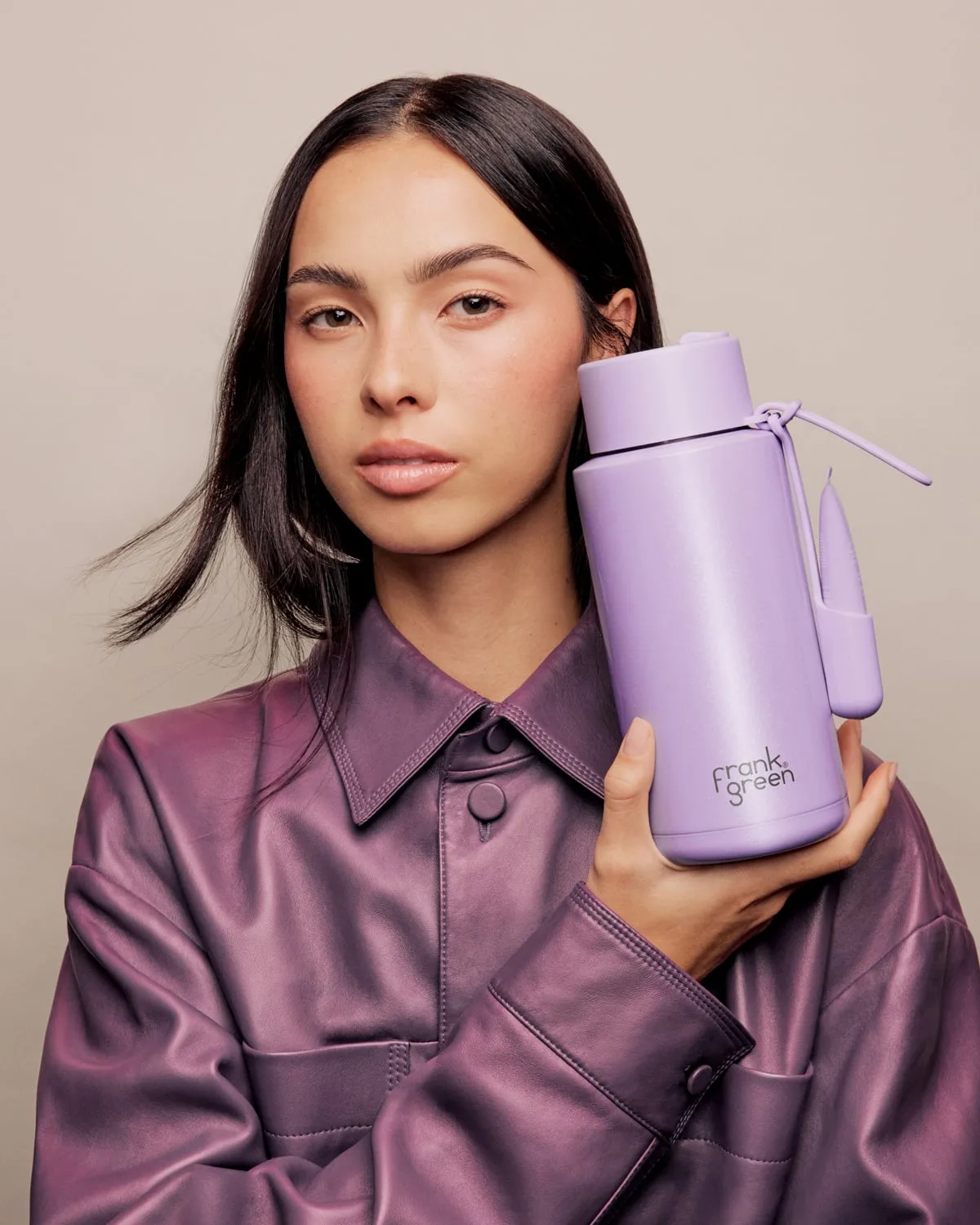
The Rise of Bio-Fabricated Luxury
LVMH’s recent disclosure that 14% of its spring collection utilizes lab-grown mycelium leather marks a definitive departure from bovine-based supply chains. This shift is not merely aesthetic; it is a calculated response to the European Union’s tightening deforestation regulations, which are projected to increase raw hide procurement costs by 22% by late 2026. Brands are no longer experimenting with prototypes; they are scaling bio-materials for mass-market luxury.
The technical transition involves moving from traditional tanning processes to precision-fermentation techniques that mimic the collagen structure of animal skin. According to a 2026 report by the Material Innovation Initiative, the carbon footprint of these lab-grown alternatives is approximately 65% lower than that of conventional leather. This data suggests that the industry is finally prioritizing supply chain resilience over legacy manufacturing methods.
Investors are watching these developments closely, as the The Synthetic Pivot: Fashion and Beauty Trends of April 2026 indicates a broader market realignment. While critics argue that the durability of these materials remains unproven over a ten-year cycle, the current adoption rate by heritage houses suggests a high degree of confidence in the underlying chemistry. The era of the synthetic pivot is officially underway.
SPONSORED


As we analyze April 2026 Beauty and Fashion: The Synthetic Pivot, it becomes clear that the aesthetic of 'luxury' is being redefined by the laboratory. The tactile experience of these new materials is indistinguishable from high-grade calfskin, yet they offer a level of consistency in grain and texture that nature cannot provide. This uniformity is a significant advantage for automated cutting and assembly processes, further reducing waste in the production cycle.
Precision Skincare: The Molecular Shift
The beauty sector is currently undergoing a radical transformation driven by AI-optimized molecular delivery systems. L'Oréal’s latest patent filings for April 2026 reveal a focus on 'micro-encapsulated peptide delivery' that bypasses the stratum corneum more effectively than traditional topical applications. This is a departure from the broad-spectrum serums that dominated the market in 2024, favoring instead highly specific, bio-available formulas.
Market data from the Q1 2026 Beauty Index shows that consumer spending on 'clinical-grade' skincare has surged by 18% compared to the same period last year. This trend is fueled by a growing skepticism toward influencer-led marketing, with consumers increasingly relying on ingredient-first platforms like SkinSort and INCI Decoder. The demand for transparency in chemical composition is now the primary driver of brand loyalty.
In The Best Beauty Launches of April 2026: A Critical Analysis, we observe that the most successful products are those that provide verifiable data on penetration depth and cellular efficacy. Brands that fail to provide clinical trials or peer-reviewed evidence are seeing a 12% decline in repeat purchase rates. The market is effectively filtering out 'clean beauty' marketing fluff in favor of hard, scientific results.
The Digital-Physical Retail Convergence
Retail architecture in April 2026 is defined by the integration of augmented reality (AR) mirrors that utilize real-time biometric feedback. High-end boutiques in Paris and Tokyo have reported a 30% increase in conversion rates when customers interact with these haptic-feedback interfaces. These systems do not just show a digital overlay; they measure skin tone and body geometry to suggest precise tailoring adjustments before a garment is even tried on.
This technological integration is a direct response to the 'showrooming' phenomenon that plagued physical retail for the last decade. By turning the fitting room into a data-collection point, retailers are capturing granular insights into consumer preferences that were previously invisible. According to a 2026 retail study by McKinsey, this data-driven approach reduces return rates by 15%, as the sizing accuracy is significantly improved through digital scanning.
As explored in The Synthetic Shift: Fashion and Beauty Trends of April 2026, the physical store is no longer just a point of sale; it is a laboratory for customer experience. The challenge for brands is to maintain the 'human touch' while relying on algorithmic suggestions. The most successful retailers are those that use data to augment the sales associate's expertise rather than replace it entirely.
Supply Chain Transparency and Regulatory Pressure
The regulatory landscape for fashion is shifting from voluntary sustainability goals to mandatory reporting requirements. The EU’s Digital Product Passport (DPP) initiative, which enters its next phase this month, requires all luxury goods to carry a unique digital identifier that tracks the entire lifecycle of the product. This mandate is forcing brands to digitize their entire supply chain, from raw material sourcing to final assembly.
This level of traceability is exposing the inefficiencies in legacy supply chains. Companies that previously relied on opaque subcontracting are now facing intense scrutiny, with several major retailers forced to terminate contracts with suppliers that failed to meet the new environmental standards. The cost of compliance is high, but the cost of non-compliance—including potential market exclusion—is significantly higher.
Investors are now factoring 'supply chain risk' into their valuation models for fashion conglomerates. A company’s ability to prove its sustainability claims is now as important as its quarterly revenue growth. As we move through the remainder of 2026, expect to see a wave of consolidation as smaller brands struggle to fund the infrastructure required for full supply chain transparency while larger players leverage their scale to dominate the market.
The Future of Aesthetic Minimalism
The visual language of fashion in April 2026 is moving toward a 'hyper-functional' aesthetic, characterized by clean lines, modular components, and a muted color palette. This is a reaction to the 'maximalist' trends of the early 2020s, reflecting a broader cultural shift toward intentional consumption. The focus is on longevity and versatility, with garments designed to be reconfigured for different occasions.
This aesthetic shift is also impacting the beauty industry, where the 'no-makeup' look has evolved into a 'skin-first' philosophy. The emphasis is on treatments that improve skin health rather than products that mask imperfections. This trend is driving the growth of the 'pre-juvenation' market, with non-invasive treatments like LED therapy and micro-current facials becoming standard components of a daily routine.
Ultimately, the trends of April 2026 represent a maturation of the industry. We are seeing a move away from the hype-driven cycles of the past and toward a more sustainable, data-backed, and functional future. Whether this shift will be enough to satisfy the growing demands of a climate-conscious consumer base remains to be seen, but the direction of travel is clear: the industry is prioritizing substance over spectacle.
FAQ
What is the primary driver behind the shift to bio-fabricated materials in 2026?
The shift is primarily driven by the European Union’s strict deforestation regulations and the rising cost of traditional bovine leather. Bio-materials offer a 65% lower carbon footprint and greater supply chain resilience.
How are retail stores utilizing biometric data to improve sales?
Stores are using AR mirrors with biometric feedback to measure body geometry and skin tone. This technology reduces return rates by 15% by ensuring higher accuracy in sizing and product recommendations.
Why is the beauty industry moving away from broad-spectrum serums?
Consumers are increasingly prioritizing clinical-grade, ingredient-first formulas over marketing-heavy products. Data shows a 12% decline in repeat purchases for brands that fail to provide peer-reviewed evidence of efficacy.
What is the Digital Product Passport (DPP) and how does it affect fashion brands?
The DPP is an EU-mandated system requiring a unique digital identifier for all luxury goods to track their entire lifecycle. It forces brands to digitize their supply chains to ensure full transparency and compliance.
